Hilton Quarry
Client: Ken Collins Charity Trust & Grace College
Location: Hilton, KZN
Size: 12 hectares
Project type: Rehabilitation and management
Year: 2019-present
Videos
Photo Gallery
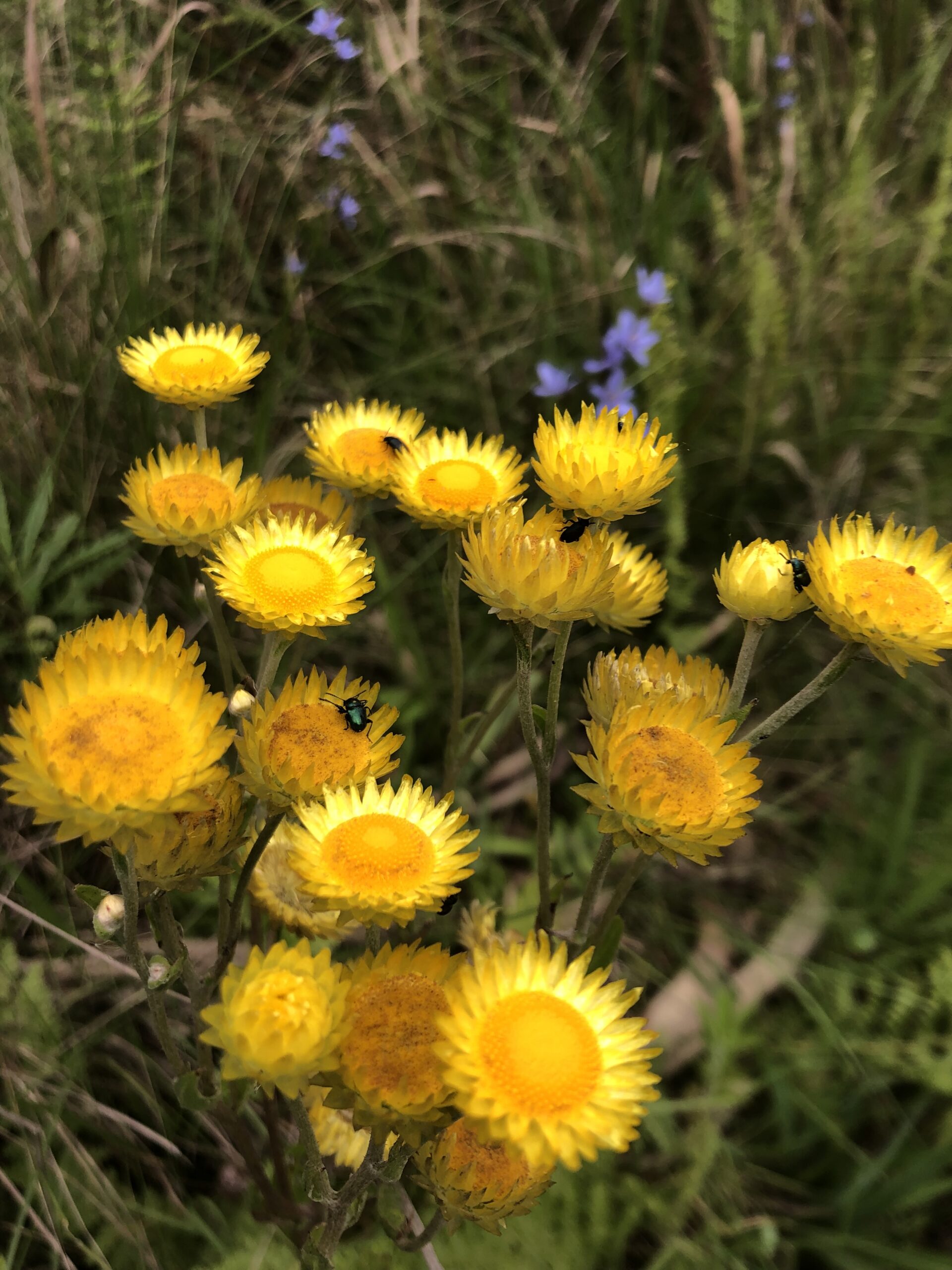
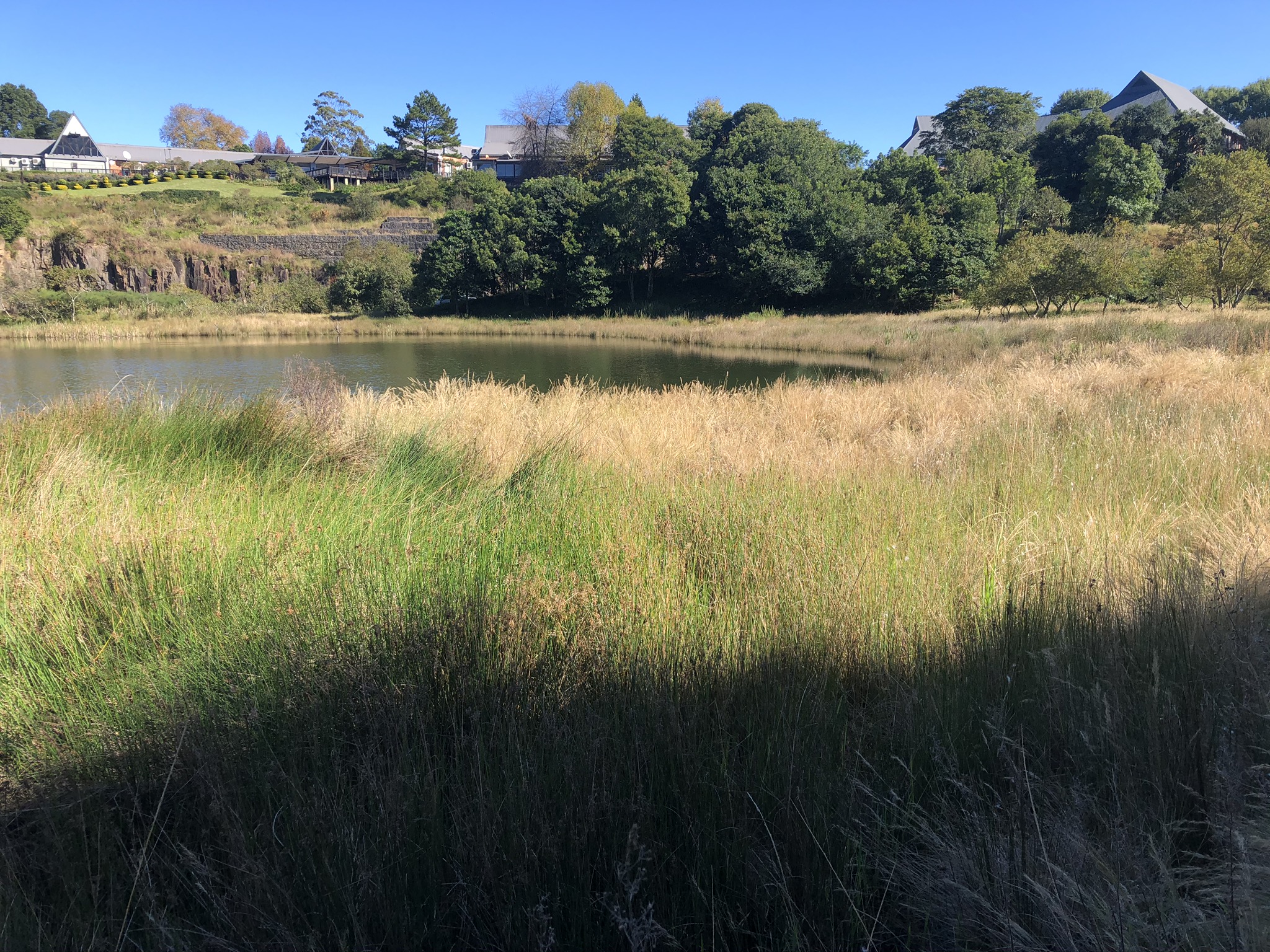
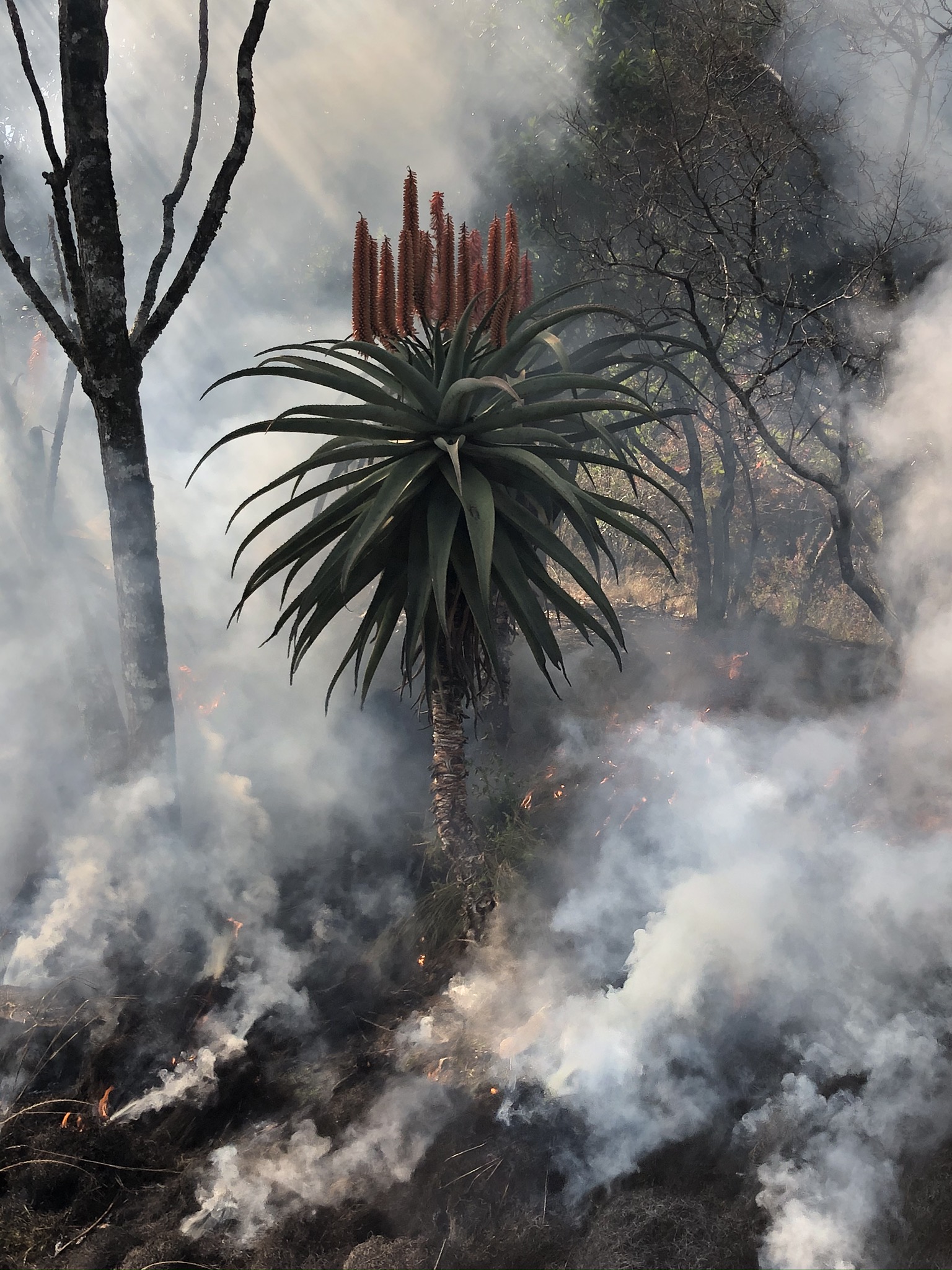
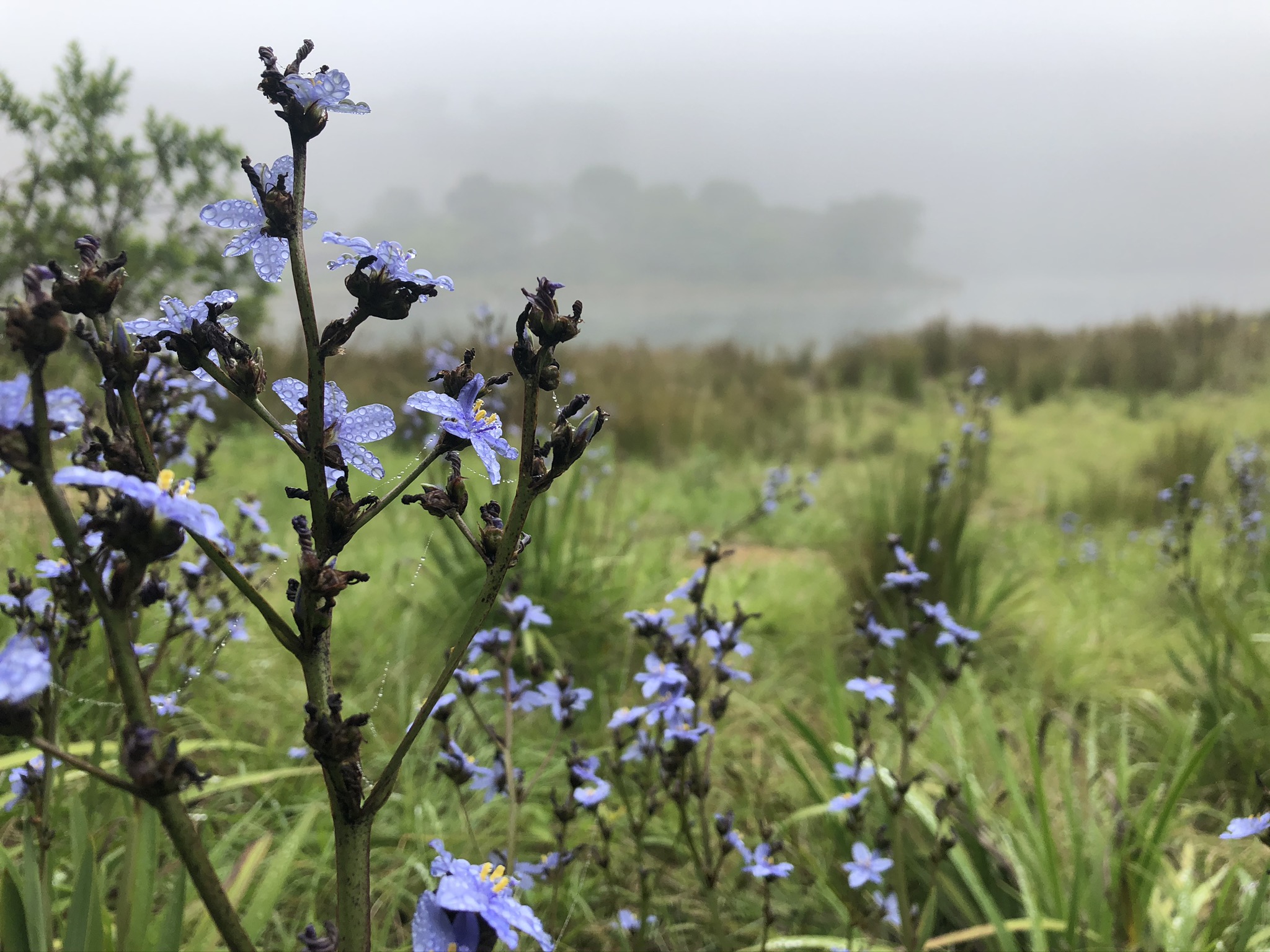
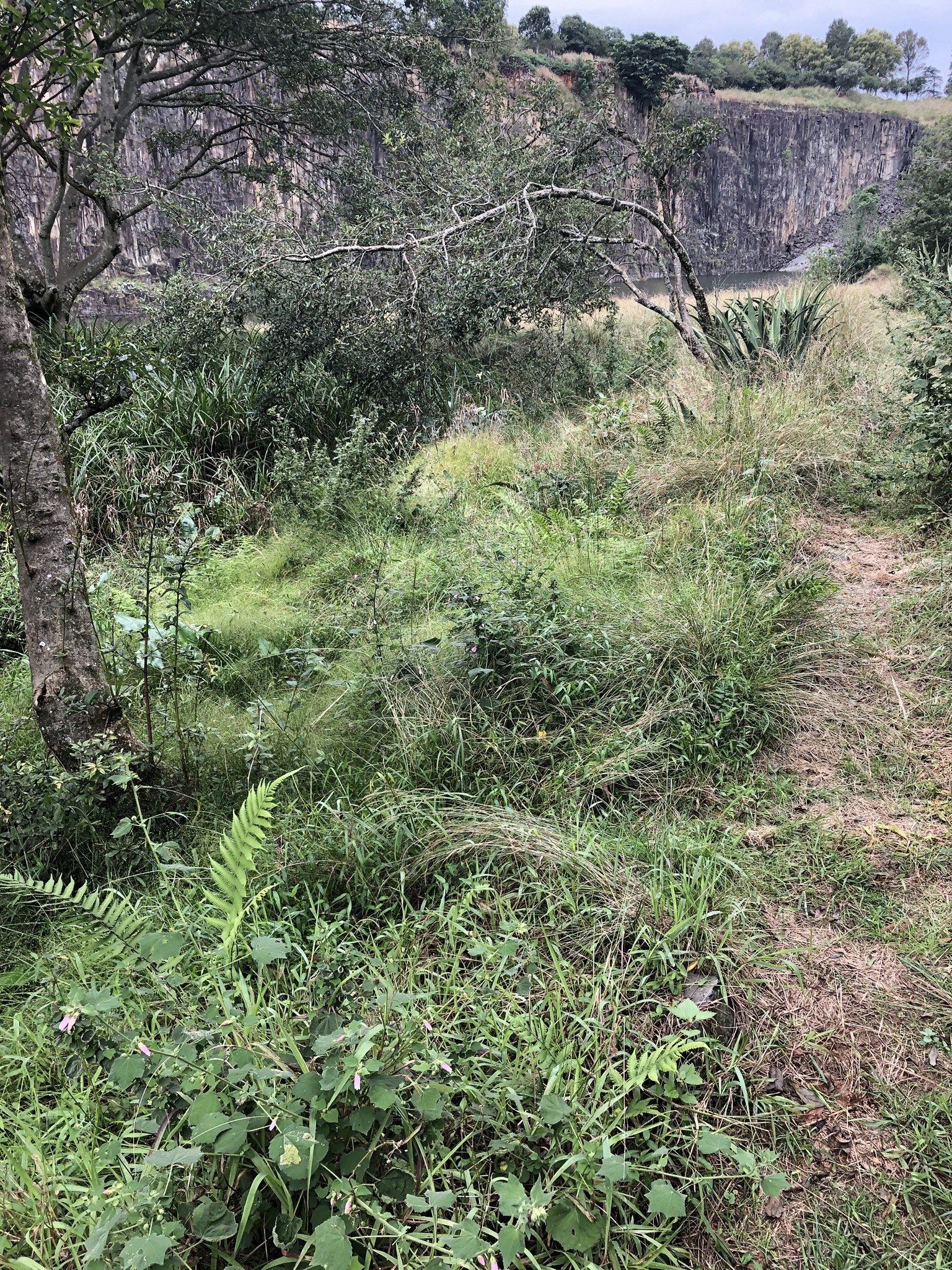
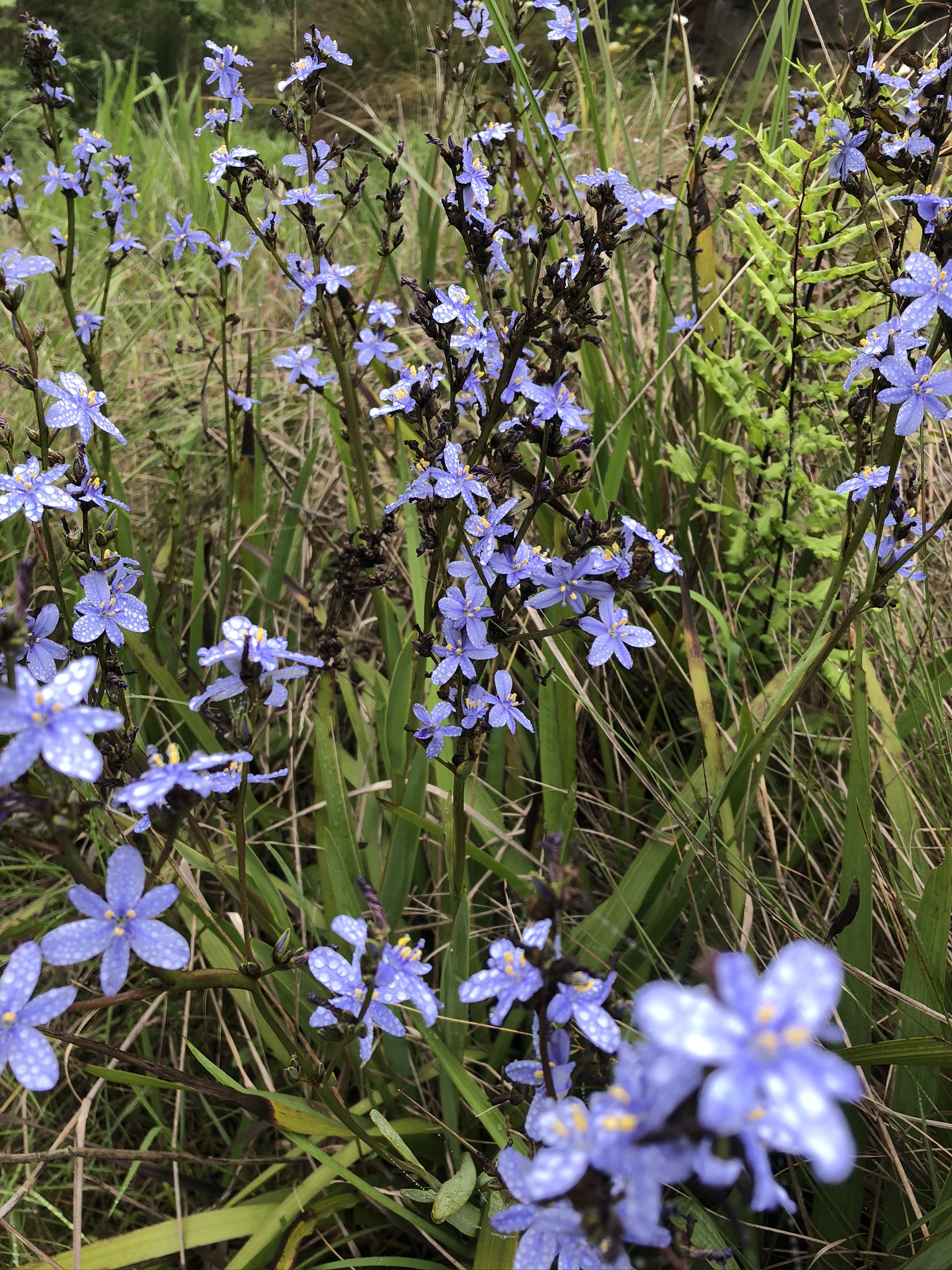
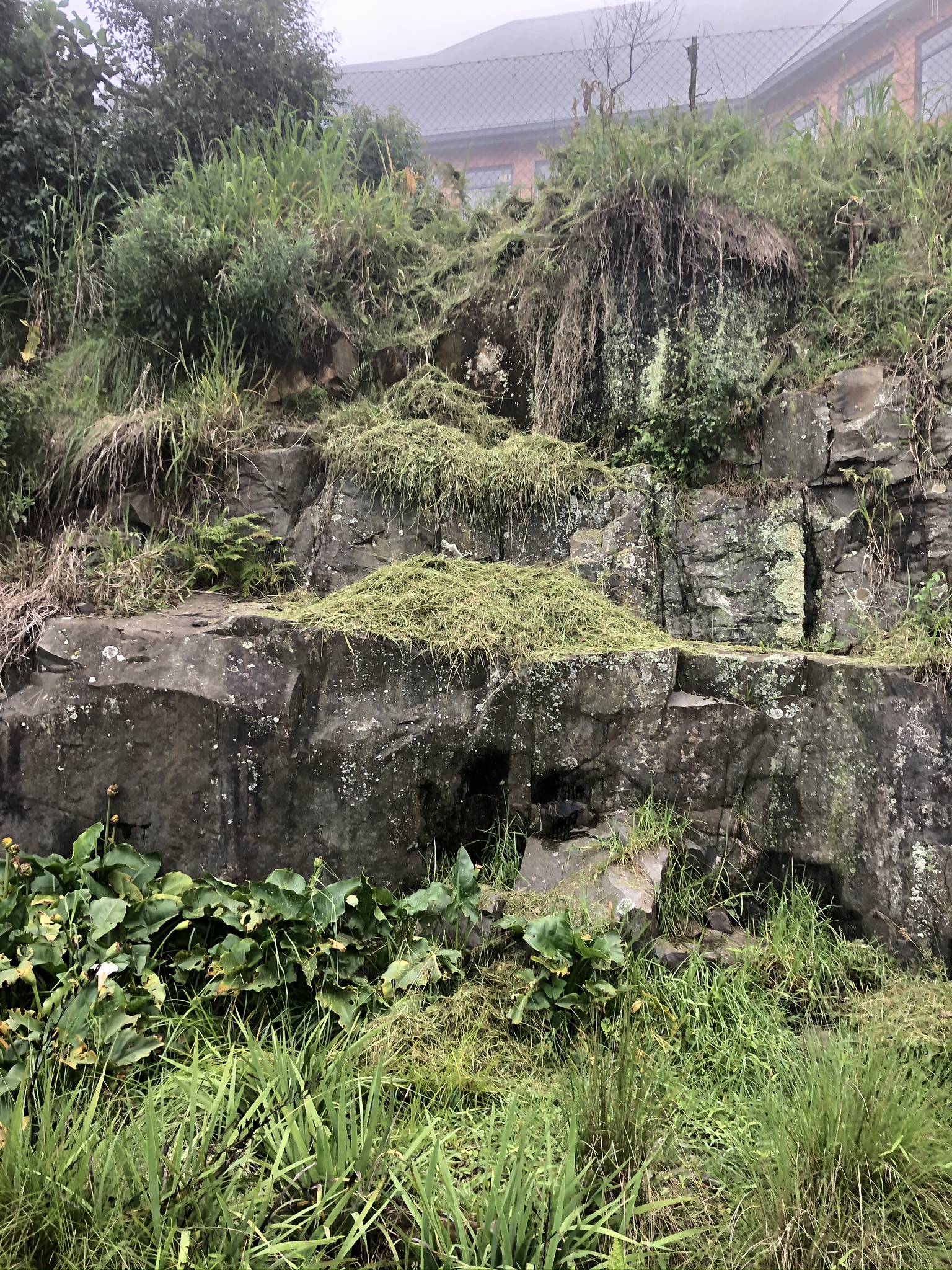
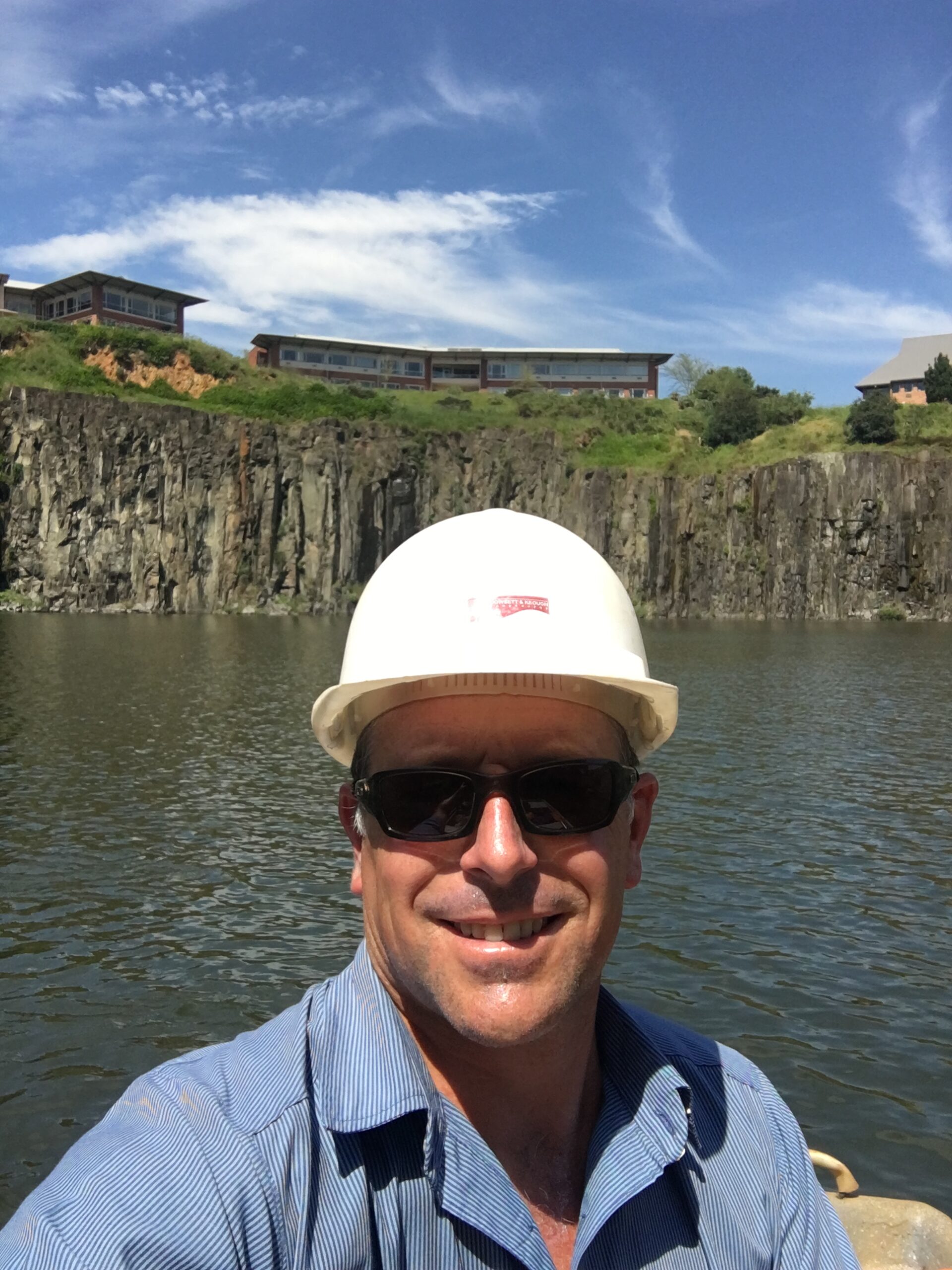
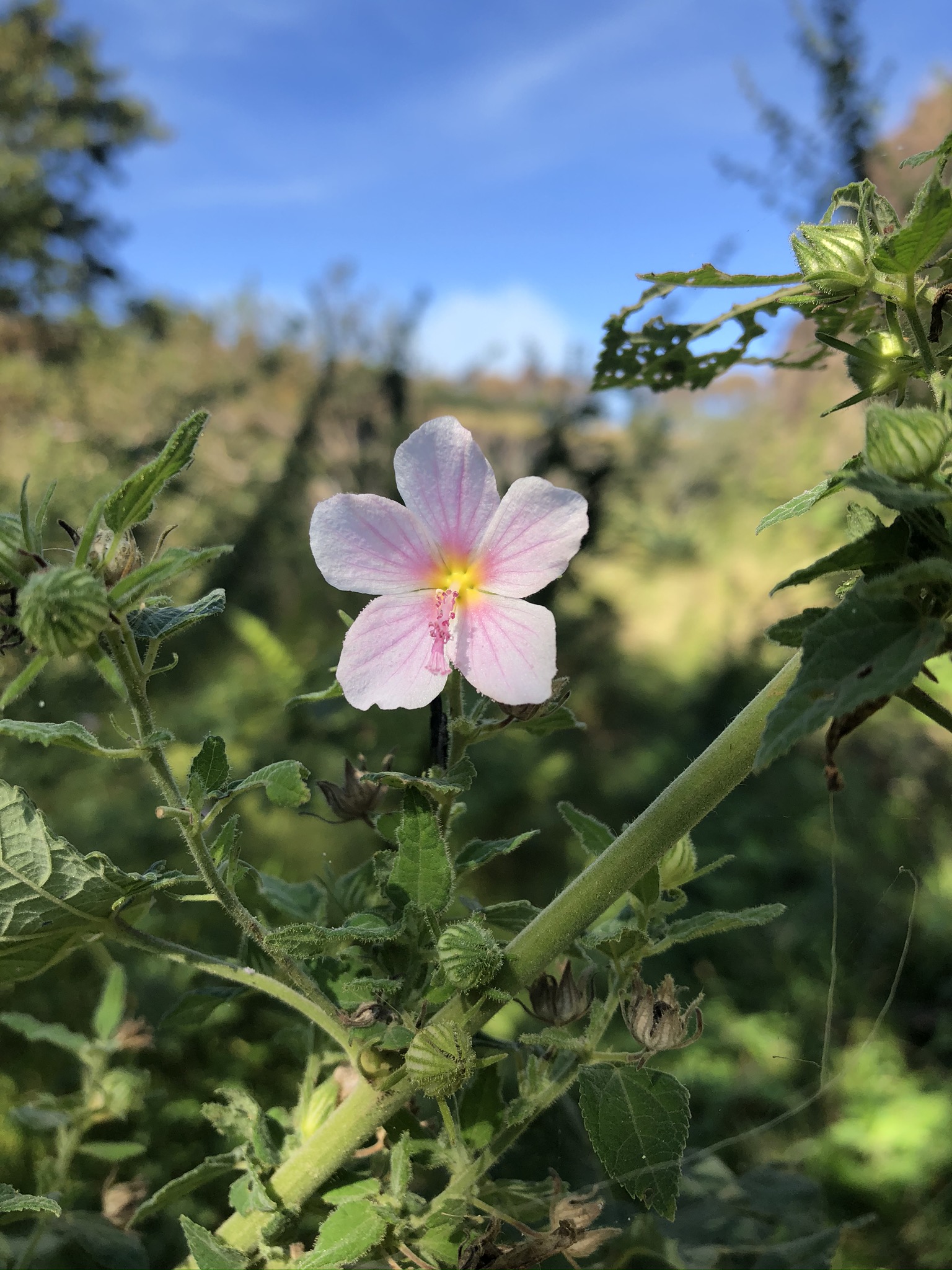

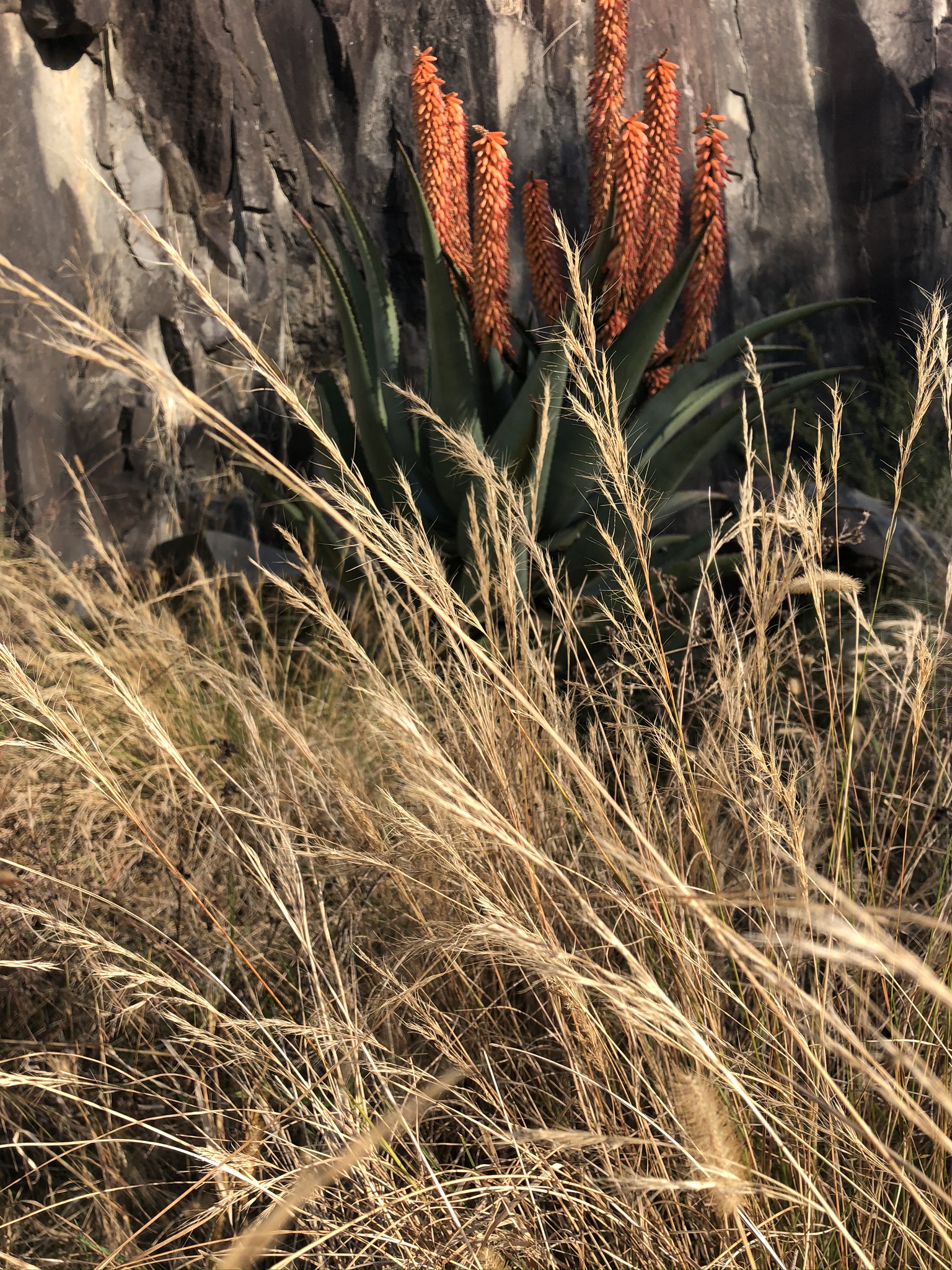
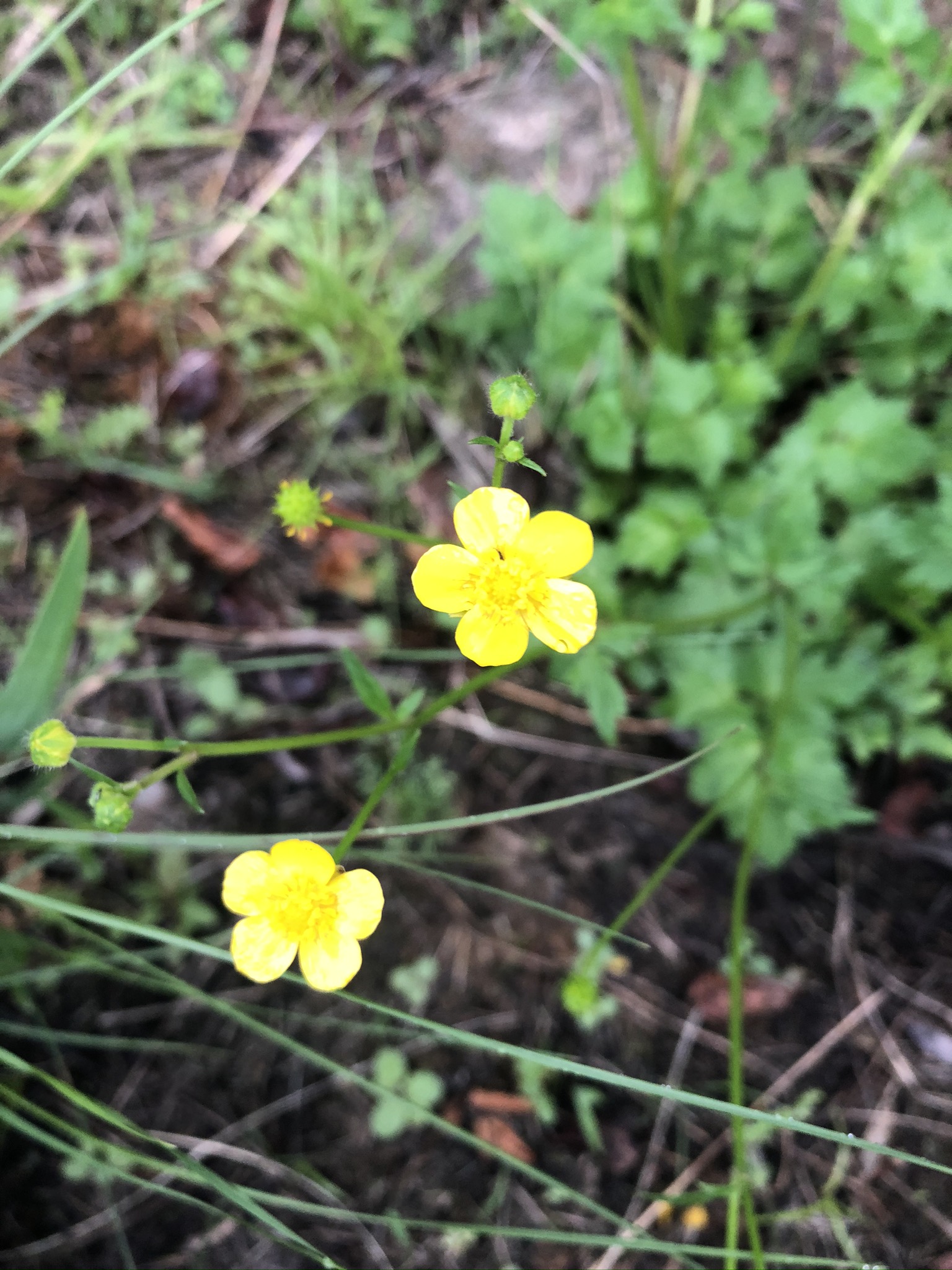
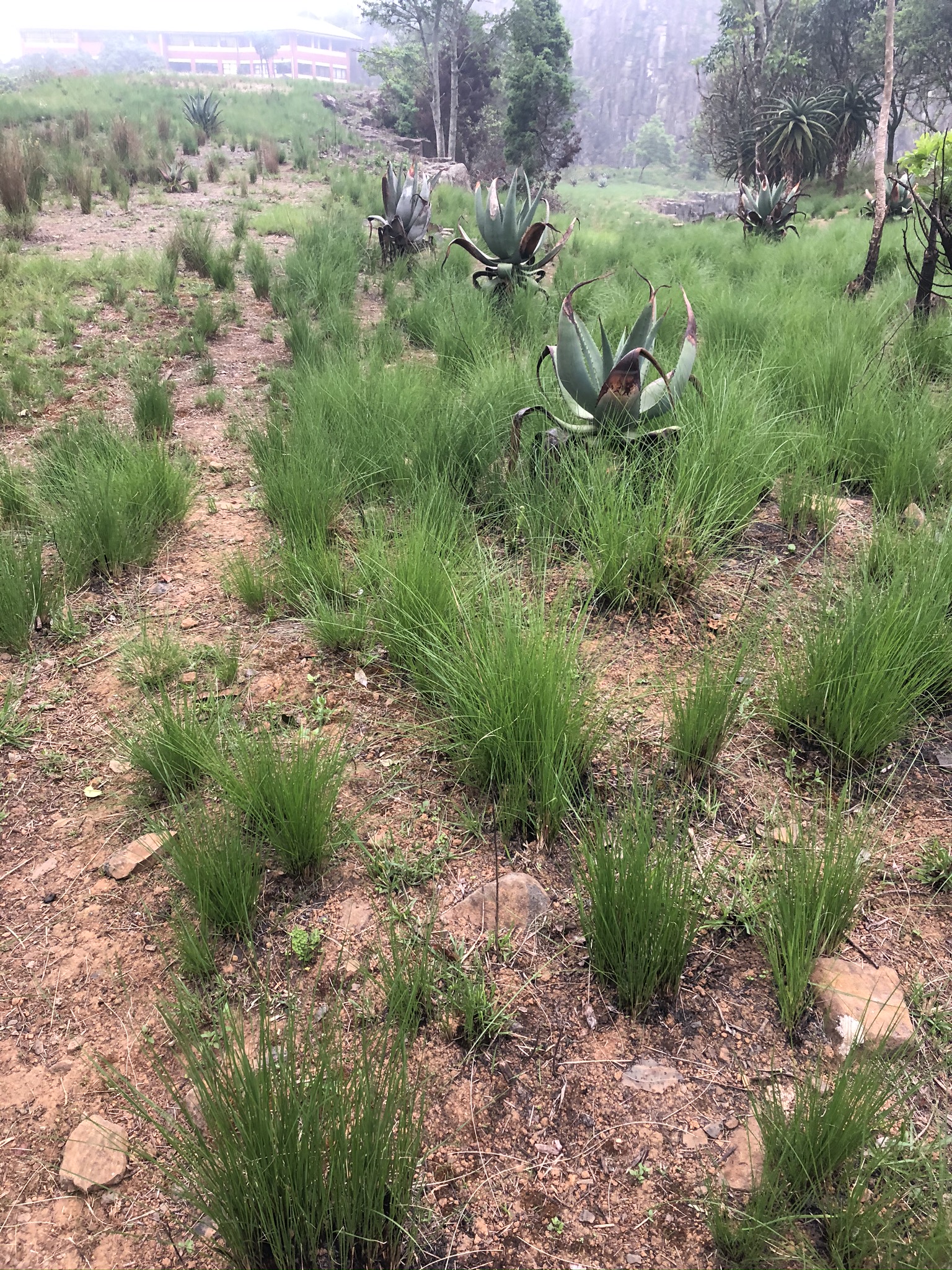
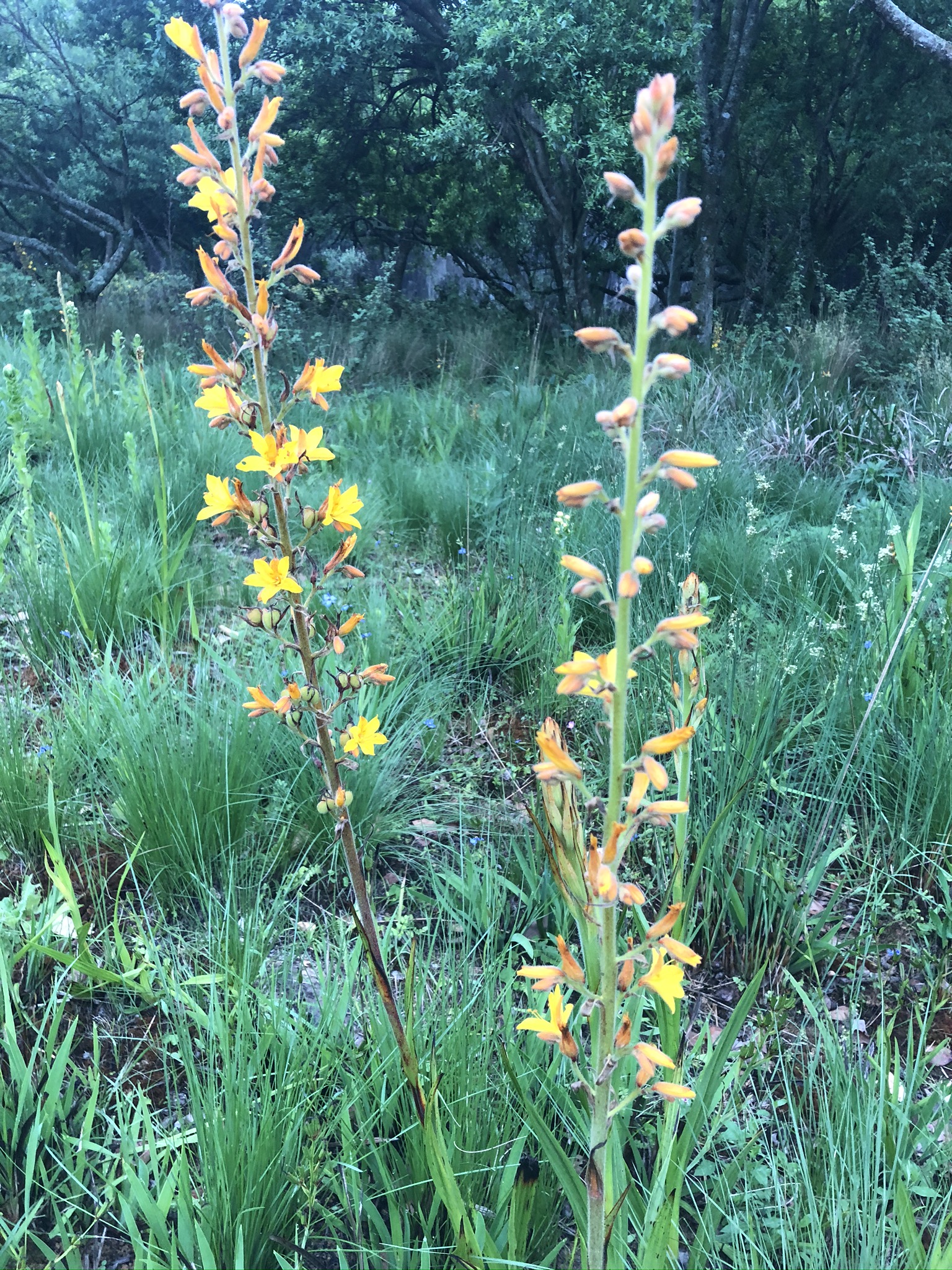
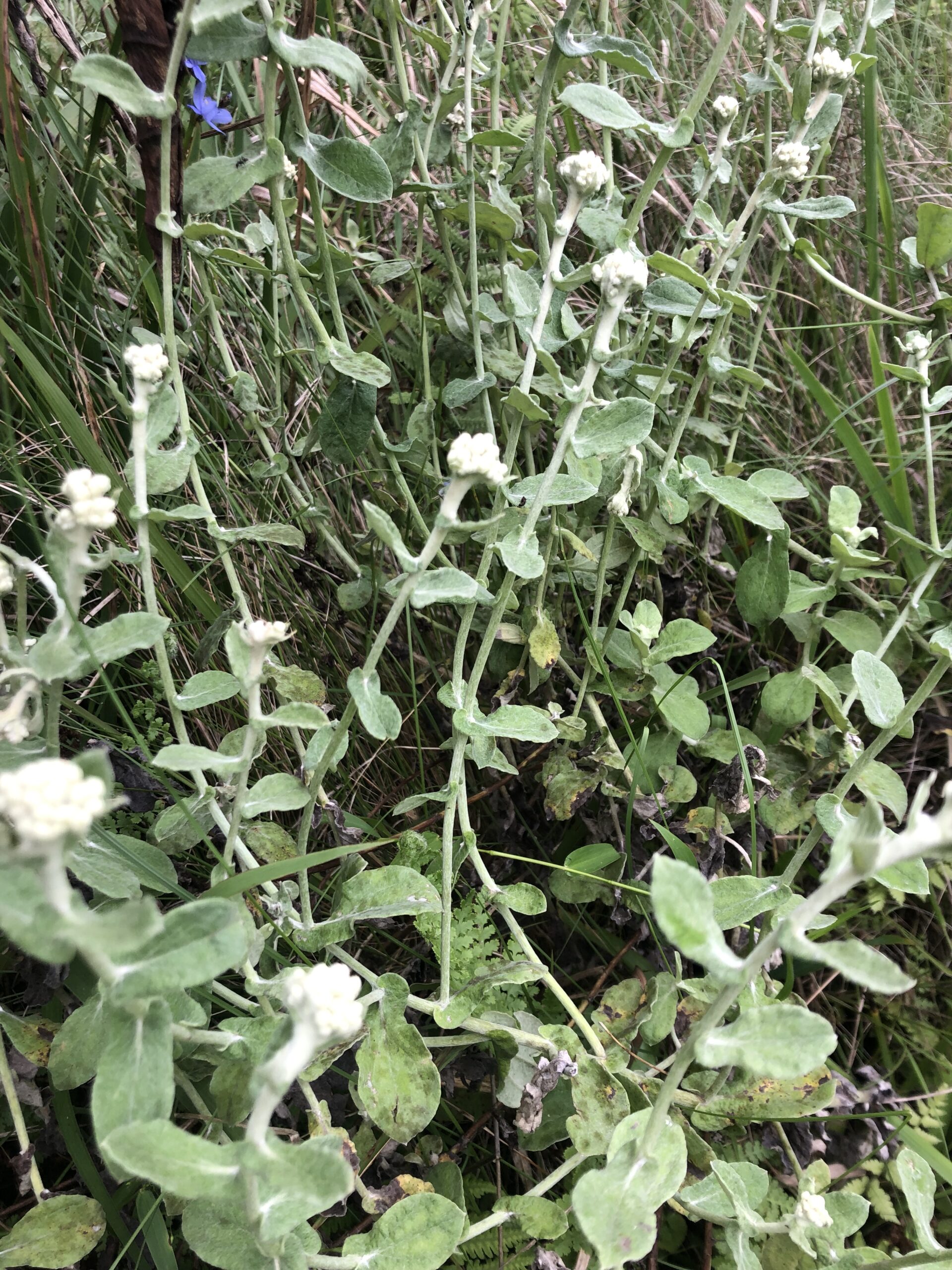
To clarify, our project pertains to the historic quarry site located behind the local shopping mall—often referred to as just “Hilton Quarry” by locals, which has occasionally led to confusion regarding the scope and focus of our project.
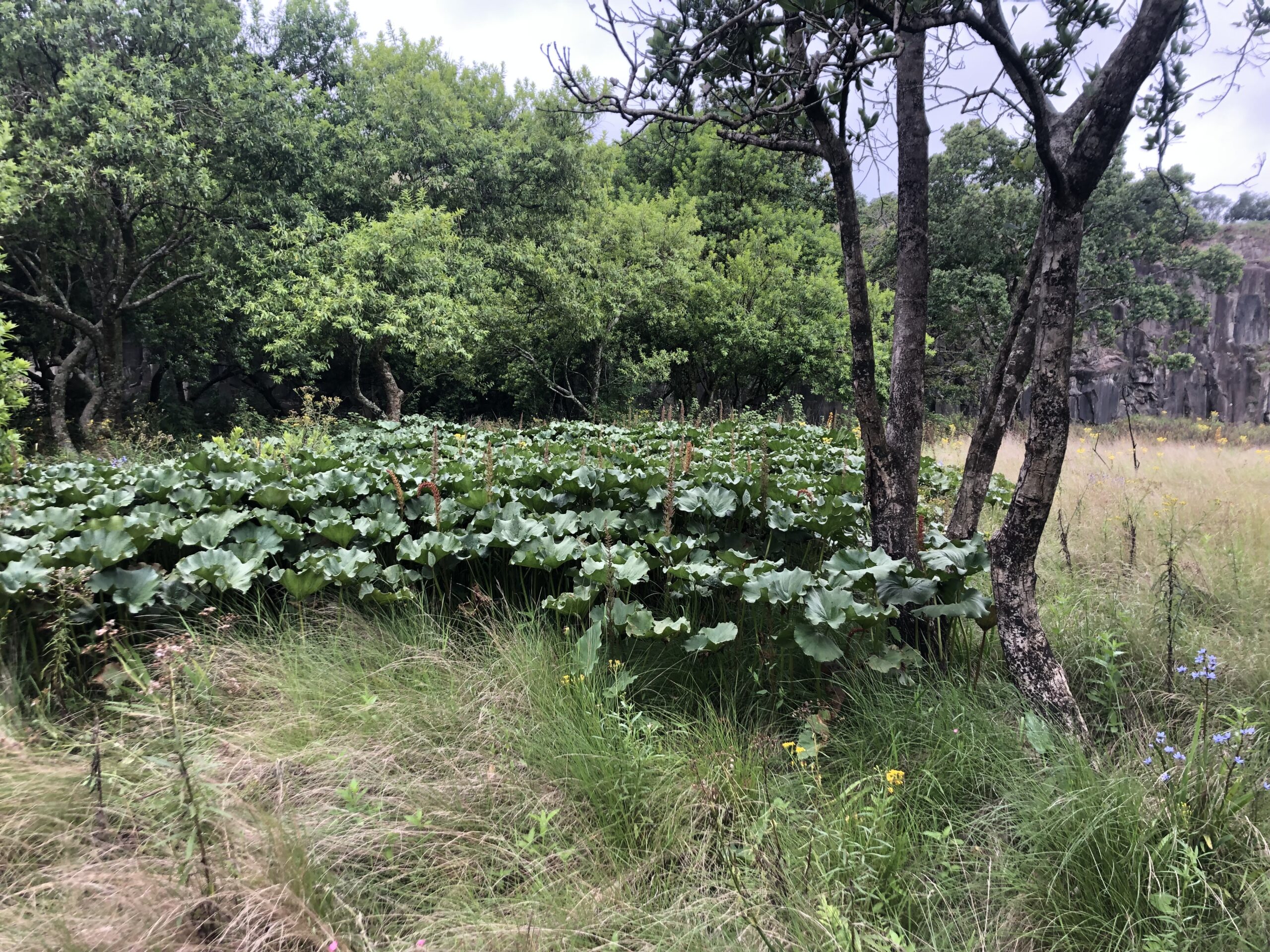
In 2019, we were invited to oversee the ongoing rehabilitation and management of this unique natural site, an initiative that had initially been launched by JPJ Landscapes. Following the quarry’s decommissioning, the site had left a visible scar on the landscape. However, by 1992, natural processes were already beginning to restore the area, and formal rehabilitation efforts began in earnest in 2018.
Today, the Quarry serves as an important sanctuary for local wildlife, particularly birds and small mammals, including Dassies (Rock Hyrax), which are the primary mammals present due to the site’s topography and its isolation from surrounding natural areas. The adjacent dam is home to a variety of fish species, and although our focus is on plant life, the thriving fauna underscores the successful symbiosis between rehabilitation efforts and the revitalisation of the surrounding grasslands and forested areas.
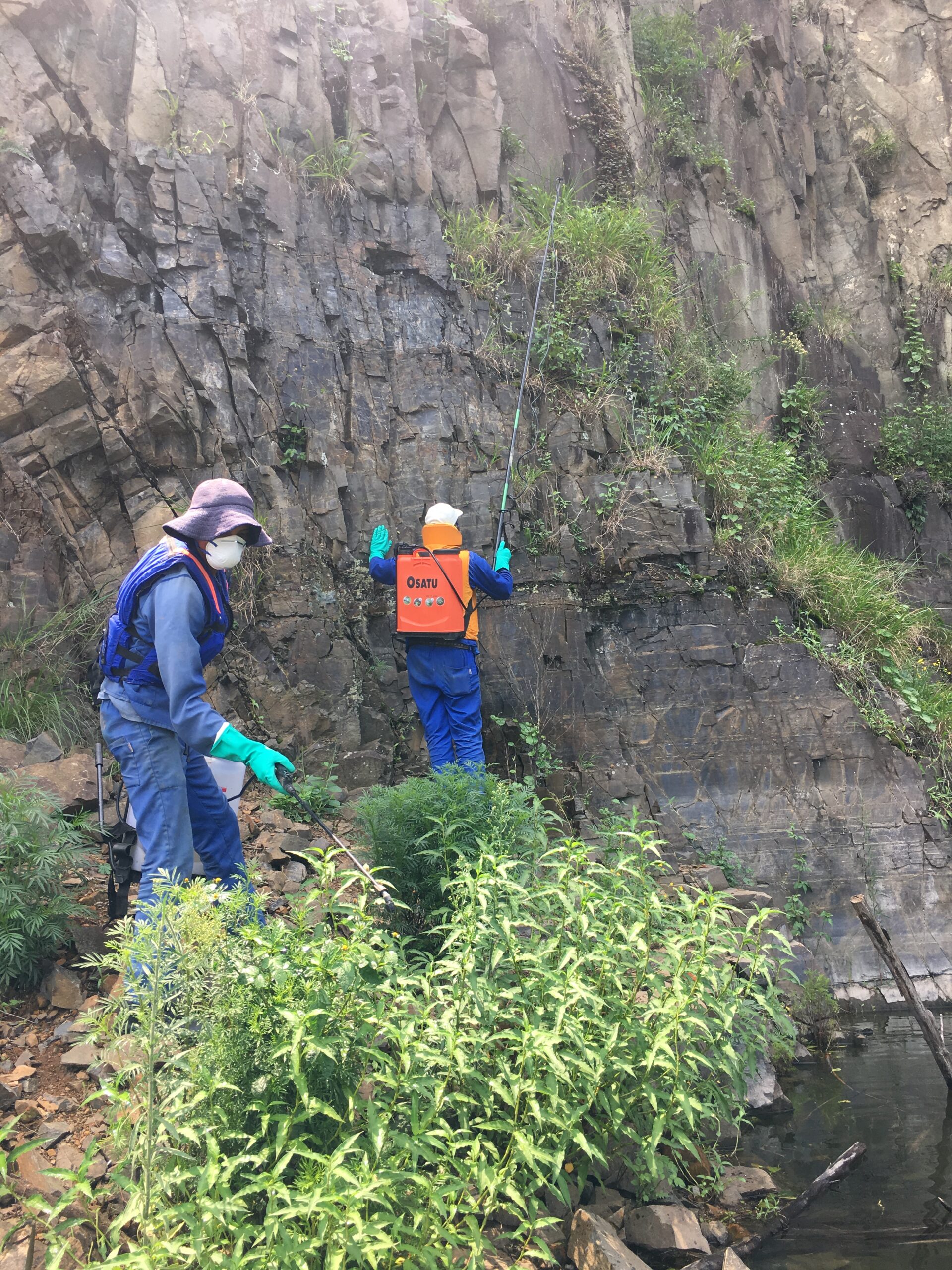
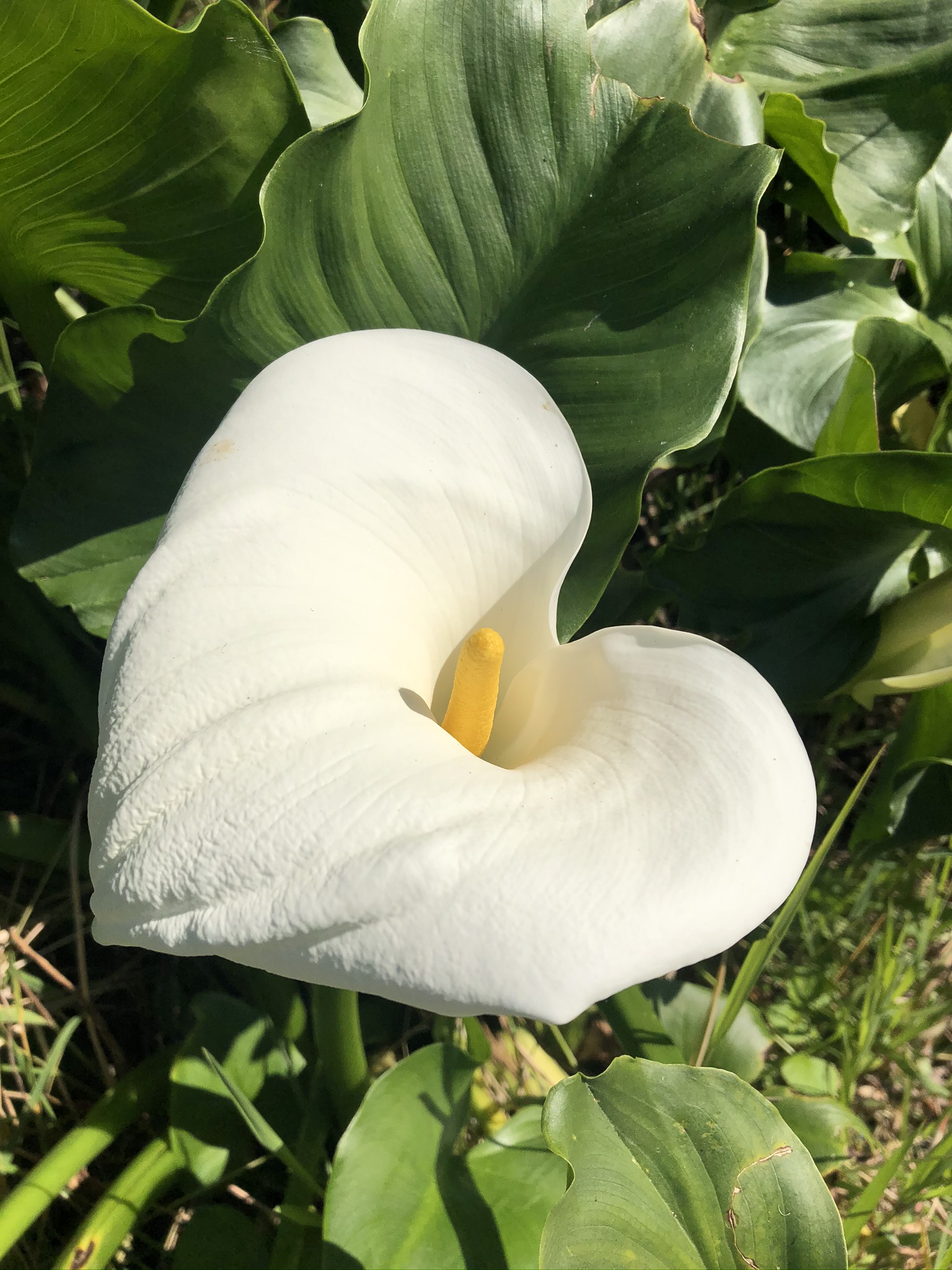
Our approach has included the introduction of diverse grassland bulbs and perennials, as well as the development of sustainable natural weed control systems to minimise the use of chemical herbicides. We have maintained near-complete control of alien invasive plant species within accessible areas of the site.
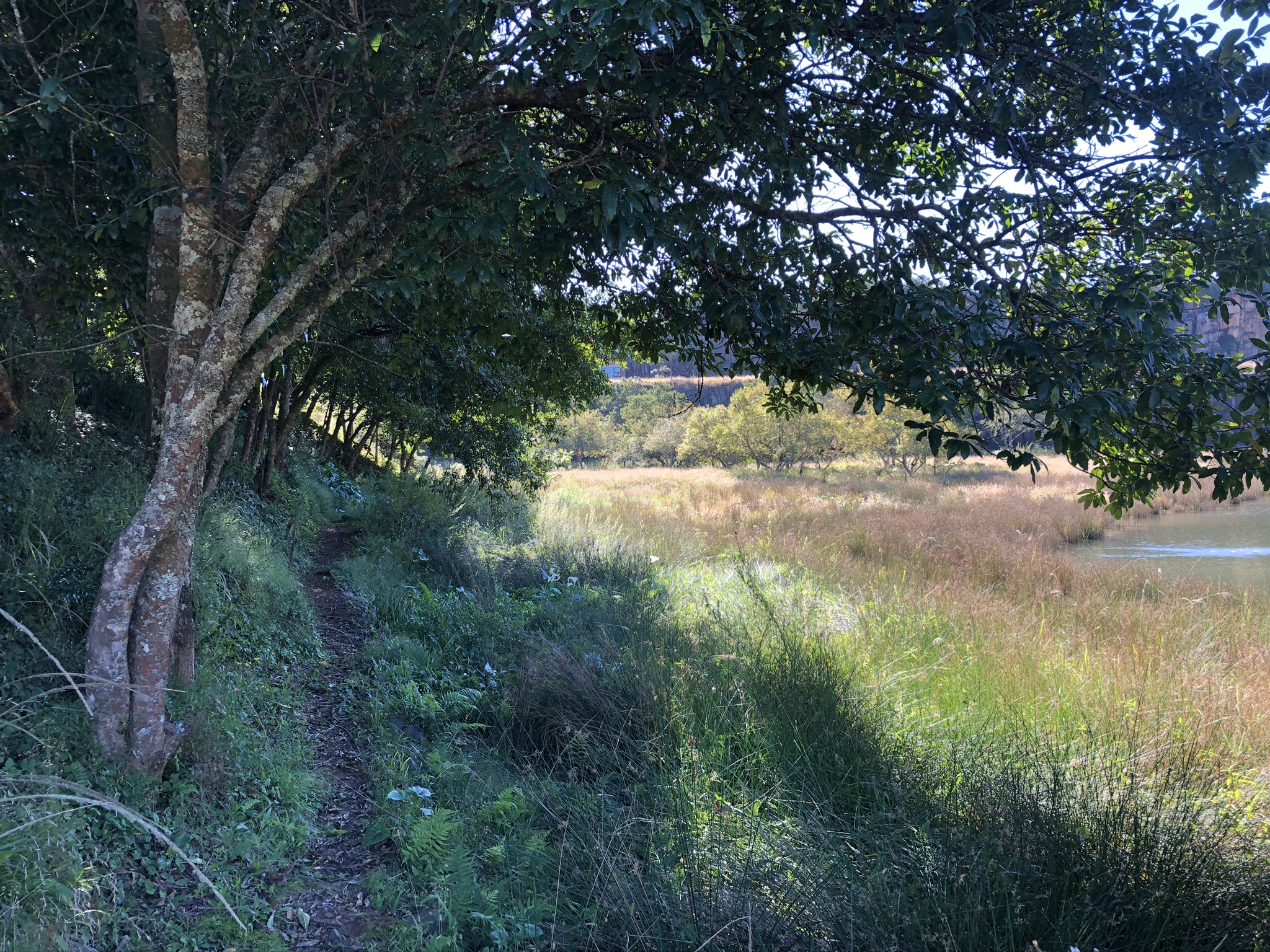
Over the past three years, one of our main challenges has been managing a successfully rehabilitated grassland and small forest area. Due to unusually wet summers, the dam’s water levels have risen significantly, flooding parts of the grassland and affecting the health of most of the plants and trees in this area.
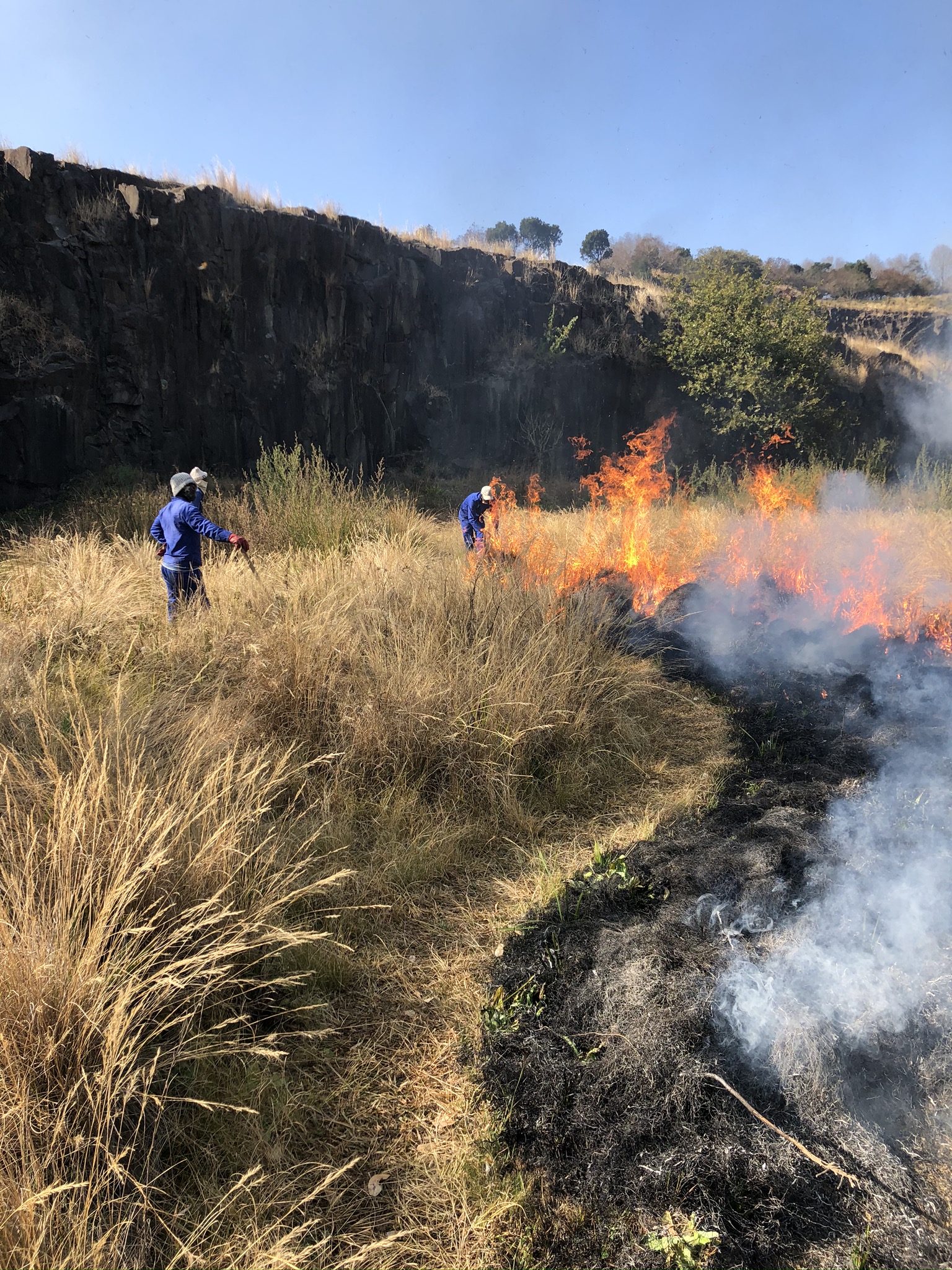
We conduct controlled burns of the grassland every two years during the dry winter months to maintain plant vitality and prevent the grasses from becoming moribund.
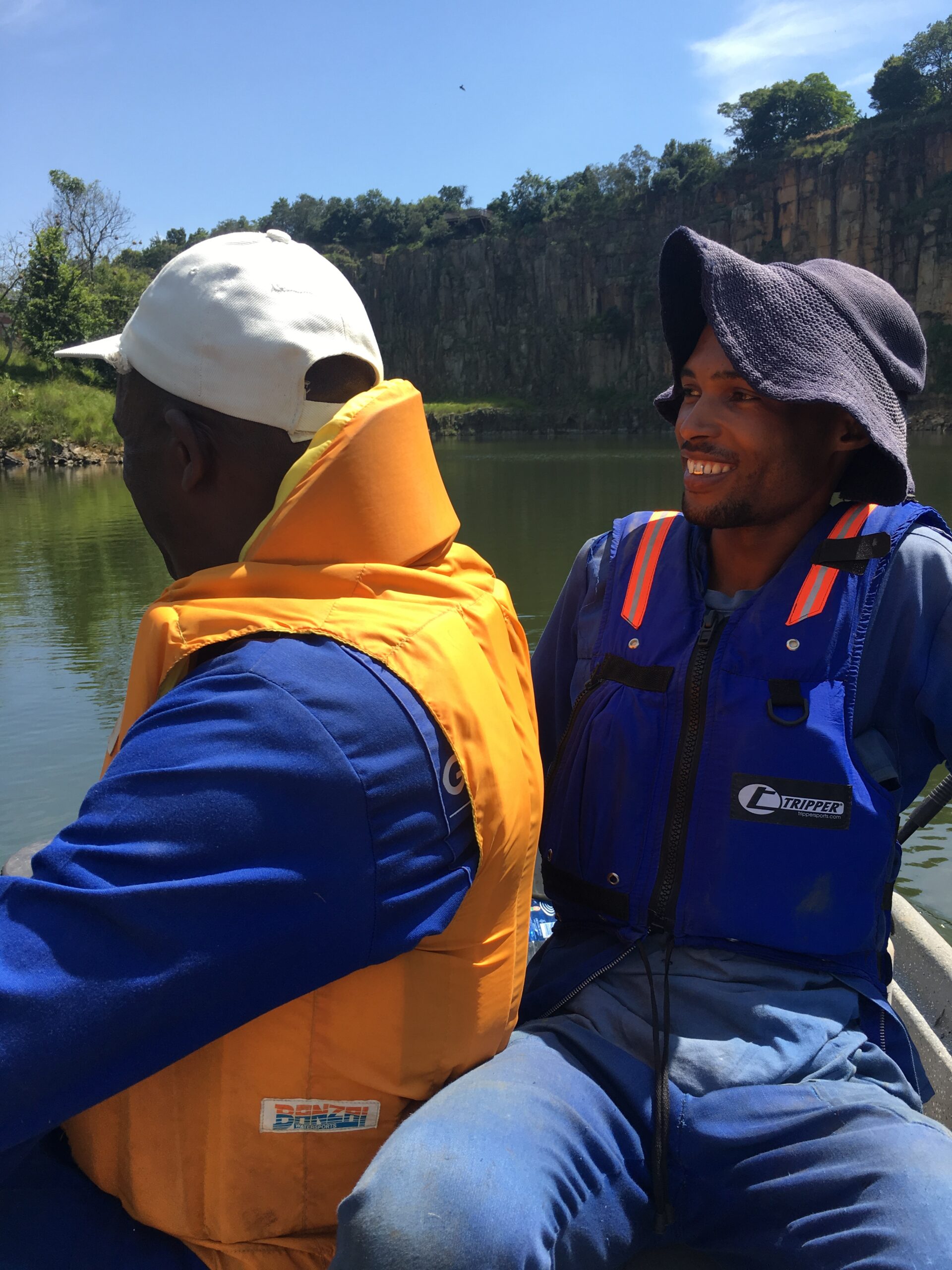
An exciting and rewarding aspect of the project is “Boat Day”—a bi-monthly outing where we navigate the steep cliffs surrounding the dam in a small boat, equipped with a small motor, to spray and control the invasive plant species growing on the cliff faces. This hands-on approach ensures the continued health and balance of the site, further enhancing its role as an important local ecosystem.
Share

